Athletic courts wear down quickly from foot traffic, changing weather, and everyday use. Whether you manage a school recreation area, oversee a community athletic facility, or have a court in your backyard, keeping the playing surface in good condition requires more than occasional cleaning.
A long-term athletic court maintenance plan helps property owners and facility managers stay organized, spot developing issues early, and make the best decisions about repairs and upkeep. By establishing a consistent schedule for inspections, cleaning, and seasonal maintenance, you can better protect the playing surface and maintain a dependable environment for recreational and competitive play.
Athletic courts are built to withstand regular use, but even durable playing surfaces need ongoing attention. Outdoor courts face rain, snow, temperature changes, dirt, and debris, while heavily used indoor courts face their own maintenance challenges.
Without a consistent maintenance plan, smaller concerns can go unnoticed. Dirt and organic material may accumulate, drainage problems can become more apparent, and damaged surface components may affect the playing experience.
Long-term maintenance helps court owners and facility managers:
For schools, municipalities, and recreational facilities, a documented maintenance plan also helps establish accountability. Staff can track inspections, record concerns, and decide when additional maintenance or a professional evaluation is needed.
An effective maintenance plan should account for the court’s surface material, usage level, surrounding environment, and manufacturer recommendations. A residential basketball court used a few times a week may have different maintenance needs than a school or community court used daily.
Although specific requirements vary, every plan should include routine inspections, cleaning procedures, and a system for documenting maintenance needs.
Regular inspections help identify changes in the court before they develop into larger problems.
During each inspection, look for visible damage, uneven areas, accumulated debris, and changes in the playing surface. For modular court systems, check for loose, damaged, or displaced tiles. For coated surfaces, watch for cracking, peeling, and other visible signs of deterioration.
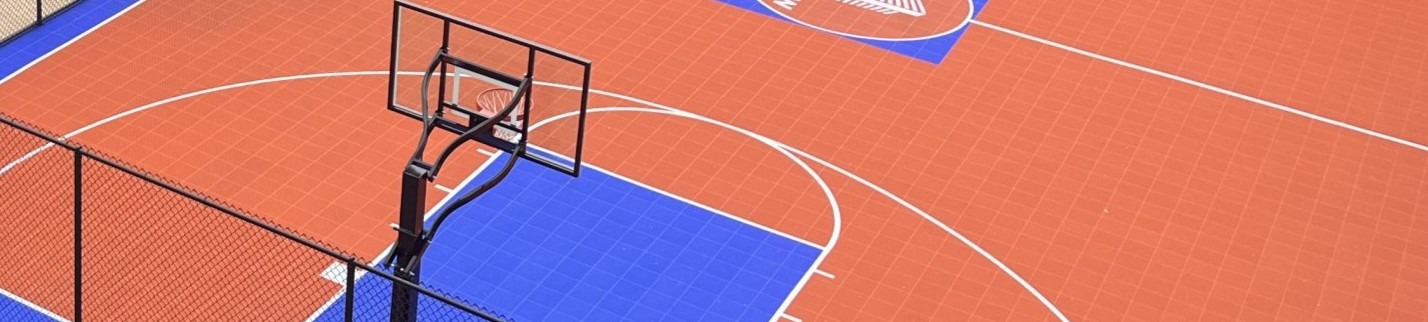
Also inspect court equipment. Examine basketball hoops, net systems, posts, and other installed components for loose hardware, damage, or instability.
Pay attention to how the court responds during normal play. Changes in traction, ball response, or surface stability may indicate an issue that deserves further investigation.
Cleaning is one of the most manageable parts of athletic court maintenance, but it should be performed consistently.
Leaves, grass clippings, dirt, and other debris can accumulate on outdoor playing surfaces. Removing these materials helps maintain usable playing conditions and makes it easier to identify surface concerns during inspections.
For many outdoor modular court systems, routine cleaning may involve sweeping, using a leaf blower, or rinsing with water. However, always follow the recommendations for the specific surface material.
Avoid harsh chemicals or abrasive equipment unless you confirm they are appropriate for the court. Improper cleaning products or techniques may damage certain playing surfaces.
For additional guidance, review these court cleaning and inspection tips.
A maintenance plan is easier to follow when you assign tasks to specific intervals.
For example, outdoor court owners may establish a schedule that includes regular debris removal, monthly visual inspections, seasonal reviews, and an annual professional evaluation. The right frequency depends on usage, weather exposure, court construction, and observed conditions.
Facility managers should also maintain a simple record of inspections, cleaning activities, repairs, and developing concerns. Photographs can help document changes in the surface over time.
Schools and commercial facilities may need more frequent attention because of higher traffic and scheduled activities. These tips offer additional considerations for maintaining frequently used athletic spaces.
Outdoor court maintenance should account for seasonal weather changes. In the Pittsburgh region, rain, winter freezing conditions, and seasonal debris can affect maintenance needs year-round.
Spring: After winter, inspect the playing surface for visible damage, displaced components, and debris that collected during colder months. Check drainage areas and look for locations where water may be accumulating. Spring is also a useful time to review any repair needs before regular seasonal use increases.
Summer: With warmer temperatures and potentially heavier court usage, maintain a consistent cleaning schedule. Watch for debris buildup, surface wear, and changes in playing conditions. Courts used by camps, schools, or recreation programs may require more frequent inspections during busy periods.
Fall: Leaves and other organic material can collect on court surfaces and around drainage areas. Regularly removing this debris helps reduce buildup and prepares the court for colder weather. Fall is also a practical time to review outstanding maintenance concerns before winter.
Winter: Snow, ice, and freezing temperatures require additional care. Snow removal methods should be appropriate for the court’s surface material. For Sport Court® modular surfaces, manufacturer guidance recommends avoiding metal tools and harsh de-icing chemicals that could damage the flooring. Do not chip ice with sharp equipment.
Seasonal maintenance doesn’t require major work every few months. The goal is to recognize changing conditions and adjust cleaning, inspections, and preventive care accordingly.
Routine maintenance can address many everyday concerns, but some conditions require professional assessment.
Knowing when to request an evaluation can prevent inappropriate repairs and give you a clearer understanding of the court’s condition.
Common warning signs include:
Not every issue means the entire court needs replacement or resurfacing. Targeted repairs or component replacement can address some concerns, depending on the court system and the extent of the damage.
Because maintenance needs vary by surface type, have an experienced professional evaluate conditions before choosing a repair method.
A long-term maintenance plan should include knowing when to bring in professional assistance.
Sport Court® of Pittsburgh provides court installation and maintenance expertise for residential, school, recreational, and commercial athletic environments. The company recommends periodic professional maintenance to identify buildup, evaluate court components, and address conditions that may affect playability.
Consider professional assistance when a court develops visible damage, drainage concerns, loose surface components, or issues routine maintenance cannot resolve.
Facility managers may also benefit from scheduling a professional evaluation as part of their annual planning process. This can help identify maintenance priorities and determine which concerns to address before a new season or period of increased use.
For homeowners, professional guidance can help clarify the appropriate cleaning methods, inspection needs, and repair options for a particular court surface.
Long-term athletic court maintenance is about consistency. Regular inspections, appropriate cleaning, seasonal reviews, and timely professional evaluations help court owners understand changing surface conditions and make informed maintenance decisions.
Whether you manage a backyard basketball court or a high-use recreational facility, a practical maintenance plan is key to long-term court management.
Contact Sport Court® of Pittsburgh to discuss your court’s condition, ask about maintenance recommendations, or determine whether professional service may be appropriate.

Owner & Founded of J Bird's Landscaping & Owner Sport Court of PA. 18+ Years of experience in Pittsburgh Sport court installation, lawn cutting, patio installation, trucking/hauling, French drain installation, and other landscape/design services.