
When most homeowners and facility managers in the Pittsburgh region think about outdoor projects, winter usually isn’t the first season that comes to mind. Cold temperatures, snow, and frozen ground naturally shift focus indoors. However, winter can be one of the best times to plan an outdoor game court. Thoughtful design work completed during the colder months allows your project to move forward smoothly once spring arrives.
Planning early gives you time to explore layout options, select the right surface system, and coordinate a realistic installation schedule. Instead of scrambling when warmer weather hits, you’ll be prepared to move forward with confidence. Whether you’re envisioning a backyard recreational court or a multi-use space for a school or facility, winter planning sets the stage for a successful spring installation.
Outdoor game courts are highly customizable, and good design takes time. Winter offers the perfect opportunity to take the time to consider how the court will be used, whom it will serve, and how it should fit into the surrounding property. Without the pressure of immediate construction, homeowners and facility managers can focus on long-term functionality rather than rushed decisions.
This planning window allows for productive conversations about layout, sizing, and multi-sport use. Whether the goal is basketball, pickleball, tennis, or a combination of activities, winter planning ensures the court is designed with purpose rather than convenience.
Spring is one of the busiest seasons for court installation in Pittsburgh. As soon as the weather improves, demand increases. Beginning the design process during winter helps secure a place on the installation calendar before schedules fill up.
By finalizing plans early, you reduce the risk of delays caused by contractor availability or material lead times. When spring conditions allow for construction, your project is ready to move forward rather than waiting in line.
Pittsburgh properties typically present a range of challenges, including sloped terrain, drainage considerations, and limited space. Winter planning allows for time to evaluate these site-specific factors carefully.
While excavation and base preparation typically occur in warmer months, assessing the property ahead of time helps identify potential concerns related to grading, drainage, or access. Addressing these elements during the design phase helps avoid surprises once installation begins.
One of the first design decisions involves determining the size and layout of the outdoor game court. This depends on the available space, the intended use, and the long-term goals for the area.
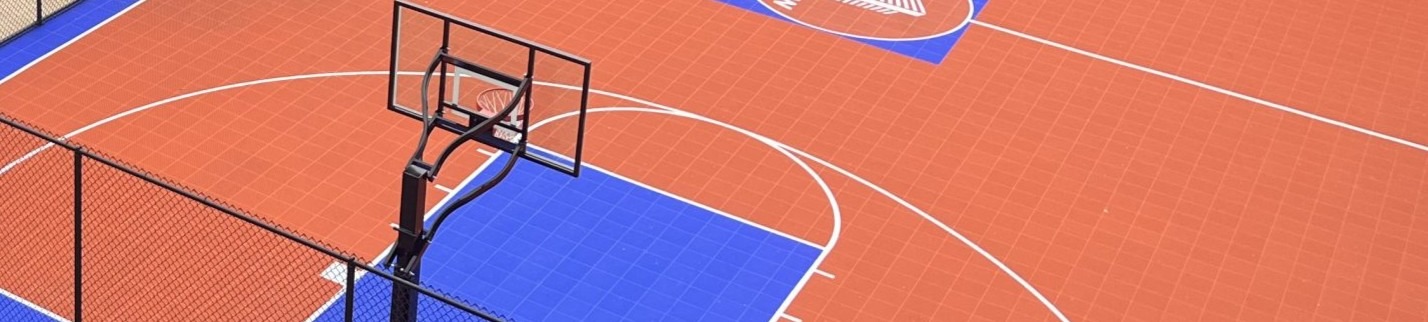
Some homeowners prefer a full-size basketball court, while others choose a half-court or smaller recreational court that accommodates multiple activities. Facility managers may prioritize regulation dimensions or flexible layouts that support various programs. Winter planning allows time to explore these options and select a layout that fits both the site and usage needs.
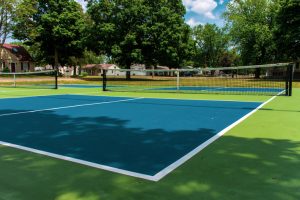
Many outdoor game courts are designed to accommodate multiple activities. Multi-sport layouts can include striping and equipment options for basketball, pickleball, volleyball, or tennis within the same space.
Deciding how the court will be utilized throughout the year is a crucial step. For example, a family-focused recreational court may prioritize basketball and casual play, while a facility court may need clear separation between sports. With more time, it is easier to decide on these factors.
The surface system plays a significant role in comfort, performance, and durability. Sport Court® game court systems are designed specifically for outdoor recreational use and offer modular tile construction that supports consistent ball response and traction.
Winter planning allows time to review surface characteristics, maintenance expectations, and suitability for Pittsburgh’s climate. Selecting the right surface system early ensures compatibility with your intended use and long-term expectations.
While functional considerations come first, appearance also matters. Color selection and striping patterns significantly impact the appearance of the court and the clarity with which different play areas are defined.
Some property owners prefer neutral tones that blend into the landscape, while others opt for high-contrast colors to mark boundaries and game lines clearly. Planning these details avoids rushed decisions and helps ensure the finished court aligns with the surrounding property.
Designing an outdoor game court also involves planning for accessories such as basketball goals, net systems, fencing, and lighting. These elements impact usability, safety, and the frequency of court usage.
Considering these options during winter planning ensures they are integrated into the design rather than added later. Proper placement of goals and net sleeves, for example, can influence spacing and play flow.
The process begins with an initial consultation to discuss goals, usage, and site conditions. This includes evaluating available space, access points, and any existing features that may impact installation.
During winter, we typically focus on measurements, layout concepts, and preliminary discussions to help define the project’s scope.
Once goals and site conditions are established, the design phase begins. This includes finalizing court dimensions, surface selections, colors, striping, and equipment options.
Winter provides the ideal environment for reviewing design concepts, making adjustments, and approving final plans without the pressure of time constraints. Clear approvals at this stage help ensure the installation process runs efficiently in the spring.
After the design is approved, scheduling becomes the next focus. With early planning, installation dates can be tentatively reserved for spring, pending weather conditions.
Pre-installation planning may include coordinating with other contractors, addressing site preparation needs, or finalizing logistics. Completing this work ahead of time helps avoid unnecessary delays once construction begins.
When temperatures rise and ground conditions allow, installation can proceed. Because design decisions and scheduling are already complete, the focus shifts to execution rather than planning.
This streamlined approach helps ensure the court installation process is efficient and well-coordinated, minimizing disruption to the property or facility.
One of the most significant advantages of winter planning is the peace of mind it provides. By addressing design details early, you avoid rushed decisions and last-minute scheduling challenges.
When spring arrives, your project is already organized and ready to move forward, reducing uncertainty and delays.
Early planning enables clearer budgeting and more accurate cost expectations. Reviewing design options, materials, and equipment during winter provides time to evaluate priorities and make informed choices.
This approach helps prevent unexpected expenses that can arise from hurried decisions or changes made during the installation process.
Completing planning work during winter increases the likelihood that the court will be ready for use earlier in the season. Instead of spending spring and early summer waiting for design approvals or scheduling availability, you can focus on enjoying the court once installation is complete.
For homeowners, this means more usable time during warmer months. For facilities, it allows programming and scheduling to begin sooner.
Thoughtful planning results in a court that better serves its intended purpose. Taking time during winter to consider layout, surface, and equipment leads to a recreational court that feels intentional and functional rather than improvised.
Winter may not seem like the obvious season for outdoor projects, but it offers a valuable opportunity to plan an outdoor game court without pressure. By starting the design process now, homeowners and facility managers in the Pittsburgh area can explore options, finalize details, and prepare for a smooth spring installation.
Early planning supports better design decisions, clearer timelines, and a more efficient installation process. When warmer weather arrives, your project will be ready to move forward without unnecessary delays.
If you’re considering an outdoor game court for your home or facility, now is the time to start the conversation. Contact Sport Court of Pittsburgh to begin planning your spring court installation and take advantage of the winter planning window.

Owner & Founded of J Bird's Landscaping & Owner Sport Court of PA. 18+ Years of experience in Pittsburgh Sport court installation, lawn cutting, patio installation, trucking/hauling, French drain installation, and other landscape/design services.