
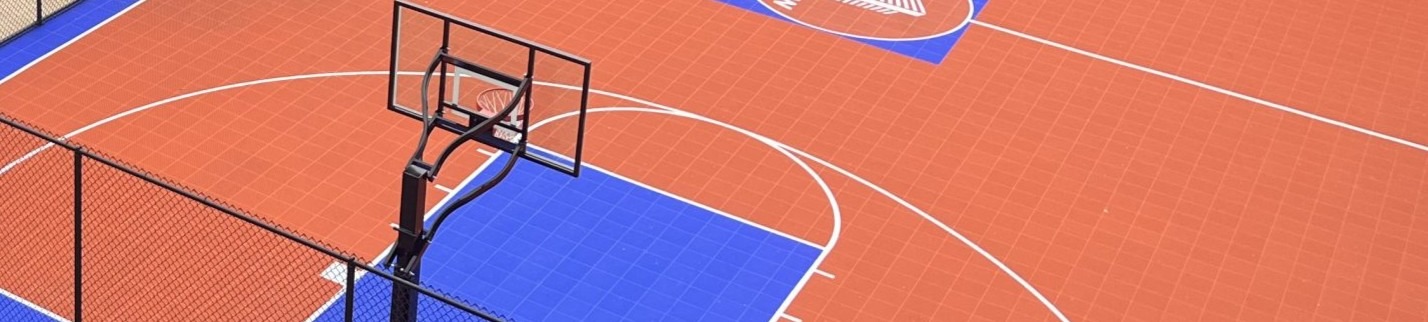

A new outdoor athletic court can add structure, activity, and long-term value to your property, but the results depend on more than the surface itself. Before your athletic court installation begins, the site needs to be carefully evaluated and prepared. Grading, drainage, soil conditions, and access all play a role in how well the finished court performs over time.
If you are planning a backyard project, the earliest decisions often have the biggest impact on durability, safety, and maintenance.
It is easy to focus on layout, game lines, and color choices first. Those details matter, but they come later. The priority is making sure the property can properly support an outdoor athletic court.
Every yard is different. Some properties have a natural slope, some hold water after rain, and others may look level at first glance but still have underlying drainage or soil stability issues. A professional site review helps identify those concerns before they affect installation.
This planning stage helps answer important questions such as:
Proper grading is one of the most important parts of site preparation. A playing surface built on poorly graded ground can develop performance issues over time, especially when water collects around or beneath the base.
Grading lays the foundation for drainage and prepares the area for the layers that support the finished court. Without it, even a well-designed project can face problems later.
If you want a closer look at how this process works, read our guide on land grading for court projects.
Water is one of the biggest threats to any outdoor surface. If runoff is not managed correctly, standing water can affect the base, the surrounding landscape, and the overall usability of the space.
Good drainage planning considers:
The goal is not only to protect the court itself but also to prevent erosion, pooling, and wear in the surrounding yard.
Many homeowners assume an open section of the yard is ready for installation, but site readiness involves more than available square footage. Trees, roots, fences, retaining walls, utilities, and access paths can all influence what is possible.
Before construction begins, it helps to evaluate:
Our article on prepping your yard for a backyard court walks through several of these considerations in more detail.
A well-prepared site supports better performance long after the project is complete. When grading and drainage are handled correctly from the beginning, homeowners are less likely to deal with avoidable issues later.
Early planning can help with:
This is one reason site preparation should never be treated as a minor step. It is a core part of building an outdoor athletic court that works well over time.
Installing a backyard athletic court is not only about the finished surface. It is also about evaluating the property, preparing the base correctly, and creating a layout that fits the space.
At Sport Court® of Pittsburgh, we help homeowners plan projects with long-term performance in mind. That starts with understanding the property and ensuring the site is ready before installation proceeds.
If you are considering a new outdoor athletic court, start by assessing the condition of your property. A well-planned grading, drainage, and site-readiness plan can make a meaningful difference in how your court looks, performs, and holds up over time.
Contact Sport Court® of Pittsburgh to discuss your space and the early steps involved in preparing for a new backyard court.

Owner & Founded of J Bird's Landscaping & Owner Sport Court of PA. 18+ Years of experience in Pittsburgh Sport court installation, lawn cutting, patio installation, trucking/hauling, French drain installation, and other landscape/design services.